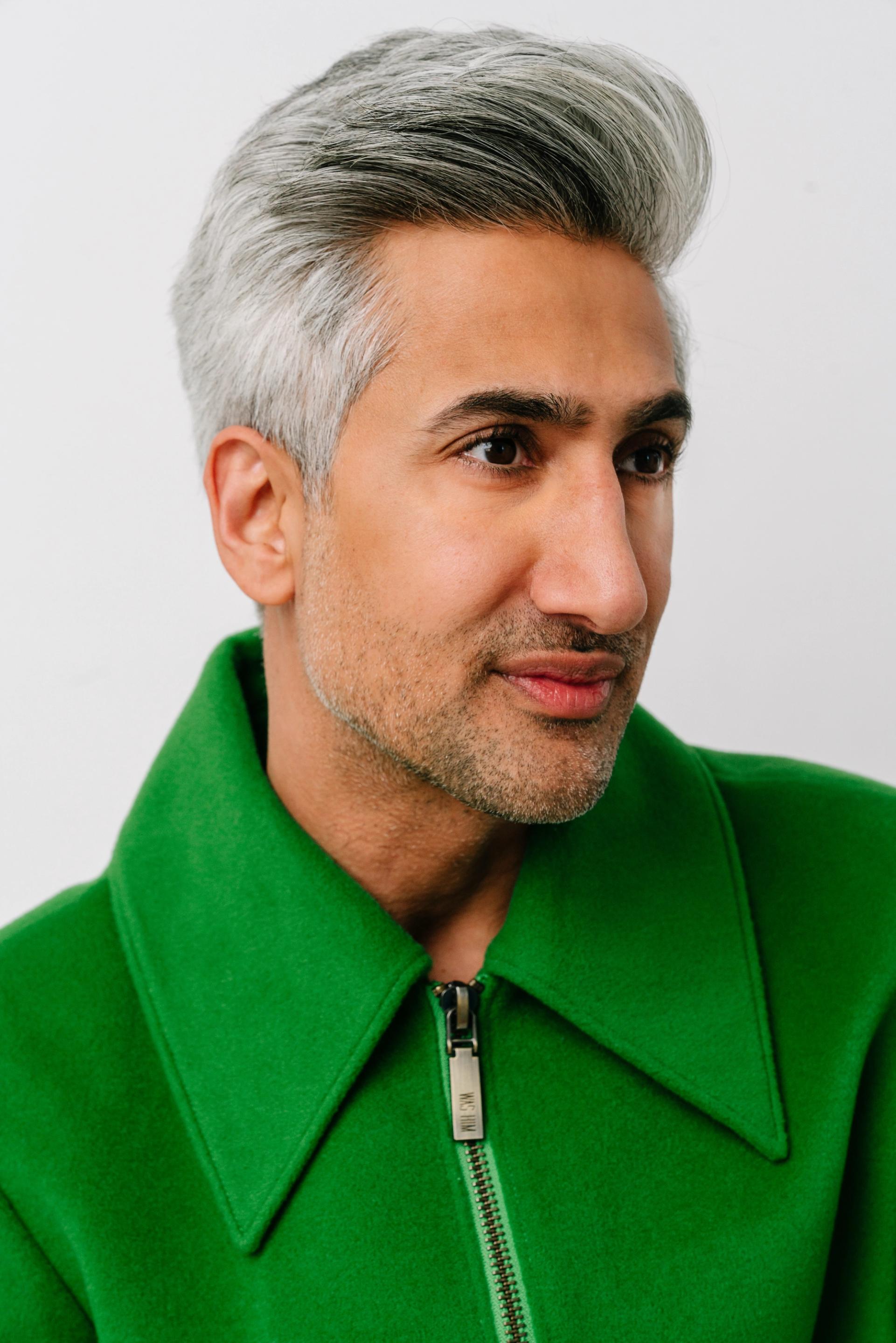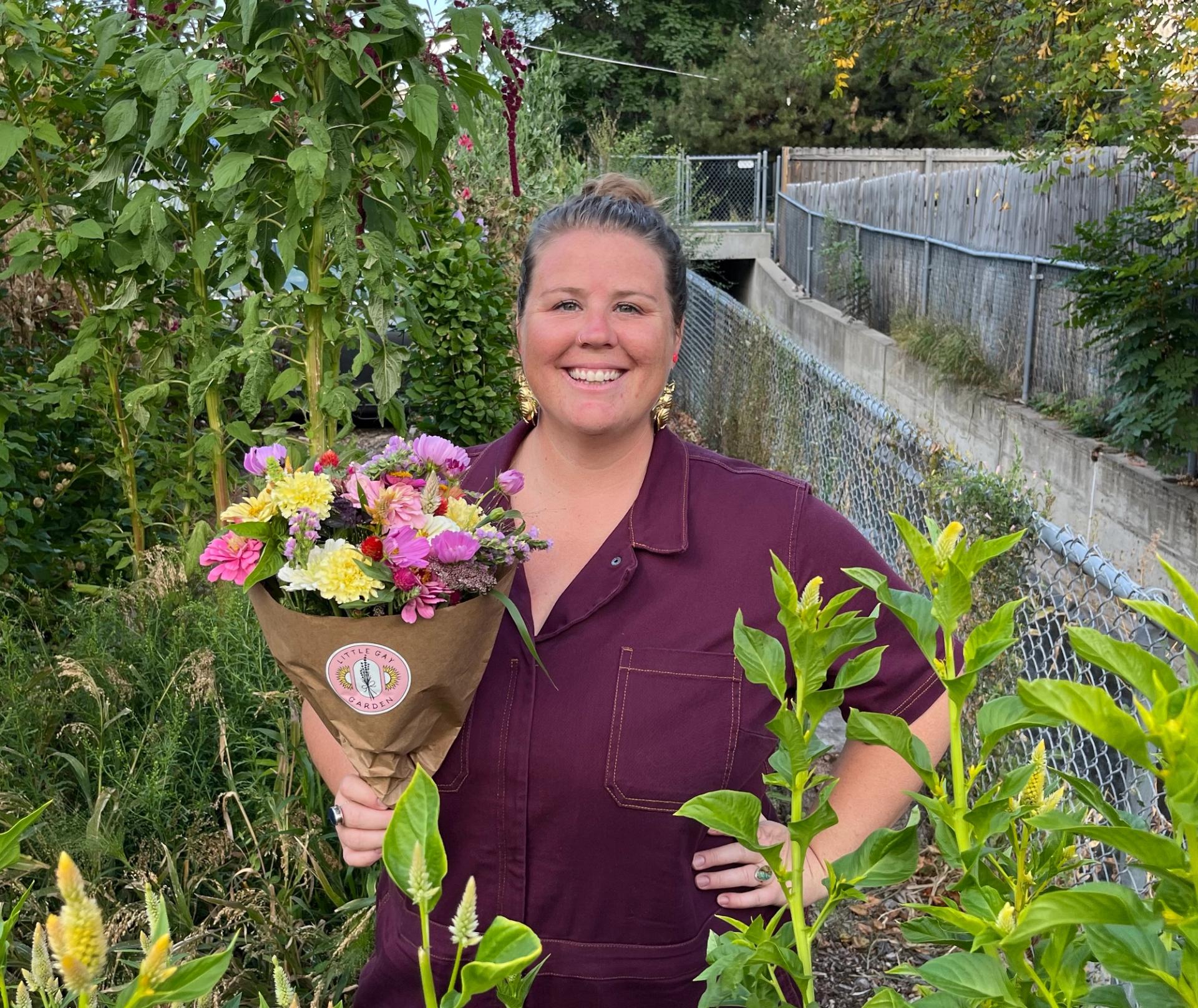
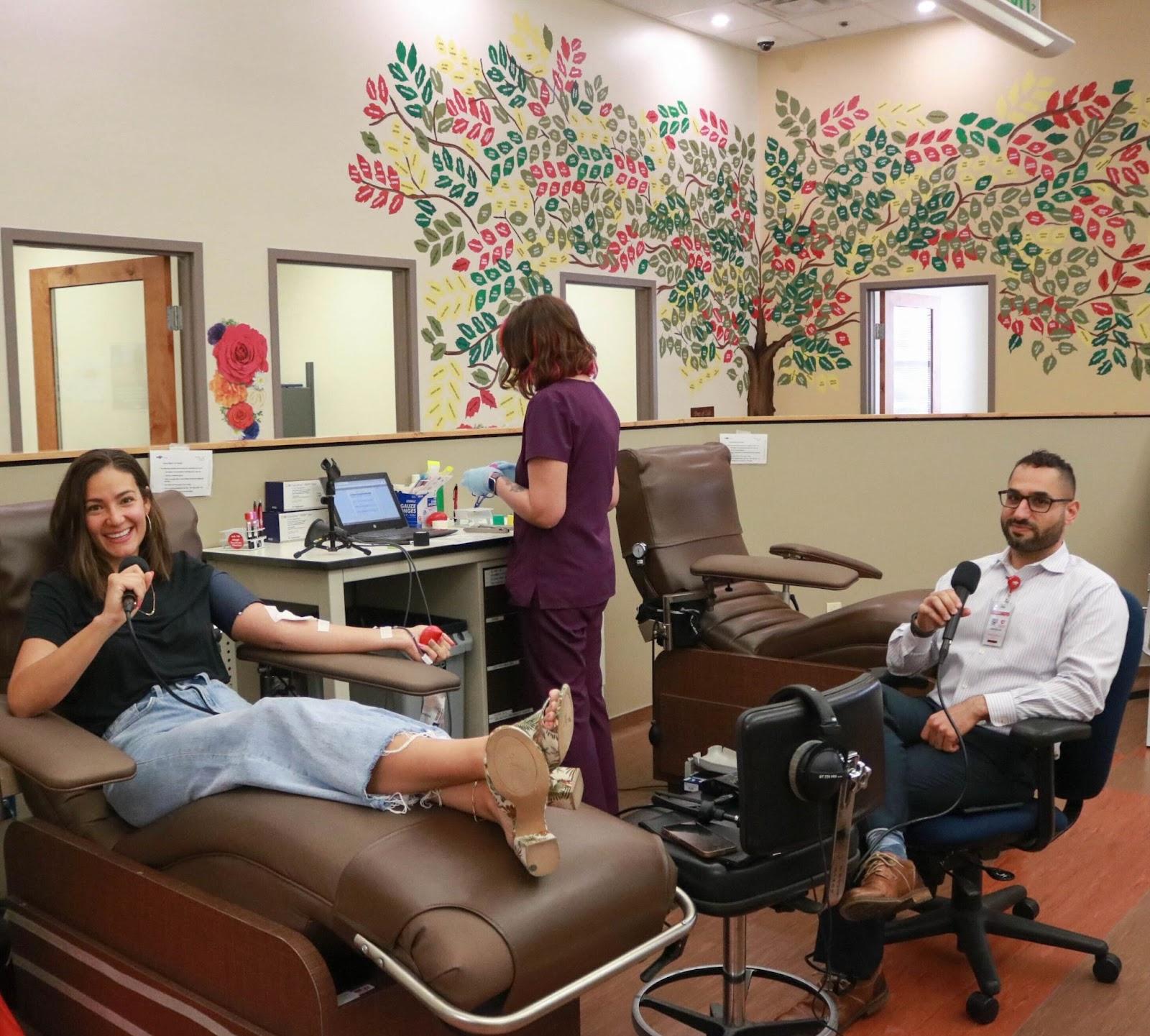
Blood is always in demand, but especially around Memorial Day, a very accident-prone weekend. Whether you donate blood regularly or are thinking about donating for the first time, you may have some questions. Regular donor and host Ali Vallarta spoke to ARUP medical director Dr. Waseem Anani from the chair to get some answers and talk about the FDA’s recent walkback of a policy that banned sexually active gay and bisexual men from giving blood.
🩸 What Happens When You Donate a Unit?
“That one unit will be converted into two different products. The red part of it, or the red cell, will be spun out and put in a bag. Your plasma will be spun out away from your platelets and we’ll keep the plasma for a patient. Then, the platelets essentially get lost in the filter. So you get two products for every one of your blood donations.”
🩸 The New Policy Allowing Gay & Bisexual Men to Donate
“It's been years in the making. It started with a permanent deferral back in the 1980s when HIV was first identified, predominantly clustering in gay men. So for the safety of the blood, they decided that all gay and bisexual men that have sex with other men would be deferred for life if they've had sex with any other man since 1977. I think over time it became a stereotype of gay men in terms of donating, which is why it took so long for them to even make movement in that direction.”
🩸 If You’re Scared to Donate
“So, most people don't know this: I am afraid of looking at my own blood and I will pass out. I can look at anyone else, but when I see my own blood, I get really nervous. One of the nice things about our staff is a lot of them have been here a long time and they're really good at sticking people. They're really good at making you feel at ease — when you’re put at ease it makes it easy to have someone stick you with a needle and not pass out. It only takes between eight to 10 minutes and you're done.”
Listen to the full interview with Dr. Waseem Anani for more about the FDA’s policy change and what happens when enough donors don’t walk through the door.