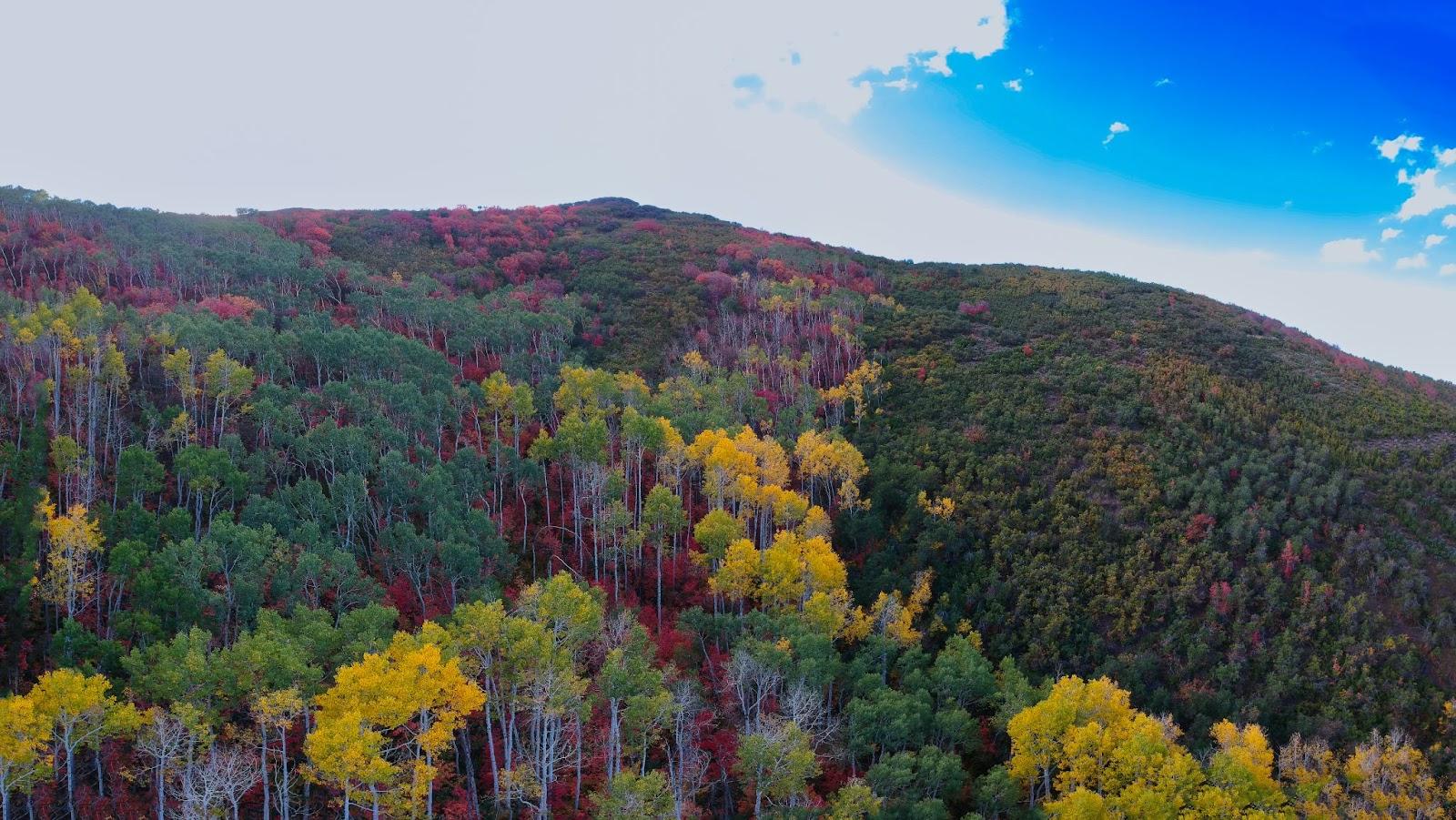
These amphibians were first found in the Paunsaugunt Plateau in southwestern Utah in 1994. Boreal toads are widespread across high-elevation areas of the western United States, but populations have been dwindling over the years.
A Not-So-Fun Fungi
Biologists at the Utah Division of Wildlife Resources who monitor boreal toads say the population decline could be due in part to an invasive chytrid fungus, which affects amphibians and can be deadly.
Repopulation Efforts
The DWR began an effort to reverse declining boreal toad populations in 2008 by collecting egg strands and raising toads in captivity to be reintroduced into the wild. The program is in partnership with Utah's Hogle Zoo, Loveland Living Planet Aquarium, Denver Zoo, and Omaha's Henry Doorly Zoo and Aquarium, each of which holds a portion of the captive population.
Beavers 🤝 Boreal Toads
The word “Paunsaugunt” comes from the Paiute and translates to “home of the beaver.” So, it’s no surprise that beavers play a key role in the health of boreal toad populations. To further bolster repopulation efforts, DWR is also partnering with the Dixie National Forest to reintroduce beavers in key breeding areas for boreal toads.
Are you toad-ally in love with these amphibians? Watch this lovely video showing how they’re released onto Paunsaugunt Plateau.