If you recently strolled through a local farmers market, you might have been struck by the abundance of fruit on display. But have you ever wondered where it all comes from?
History
Box Elder County has long been an area with bountiful foothills, river valleys, and marshlands. Indigenous people were the first in the region before Shoshone communities were displaced in the late 19th century by Latter-Day Saint settlers. They created irrigation systems that ramped up agricultural production for livestock, vegetables, and fruit orchards. In 1869, the First Transcontinental Railroad allowed for farmers to widely export their produce. Japanese railroad workers also settled in the area to start farms.
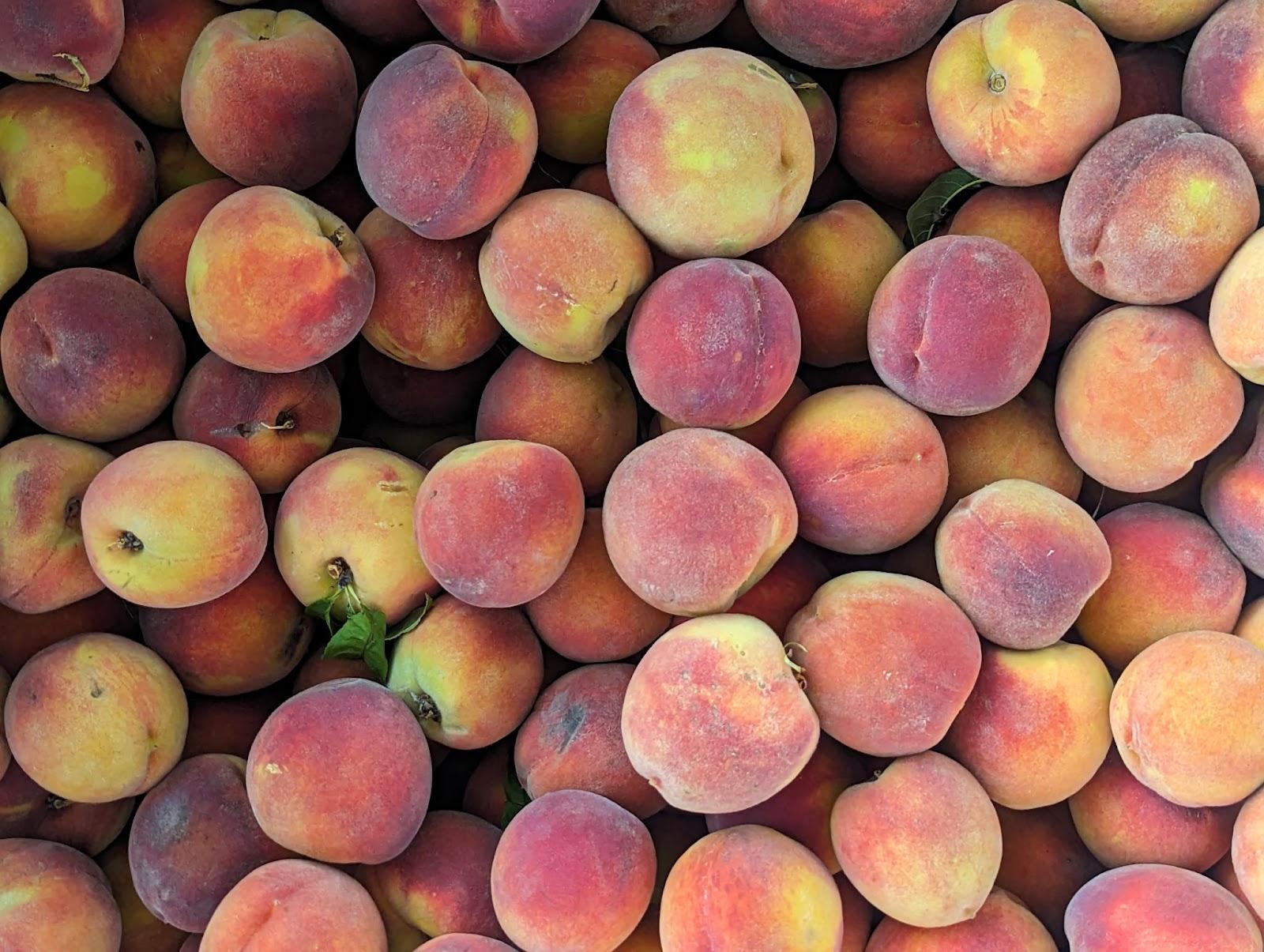
Today, Box Elder County still has some of the most optimal conditions for growing fruit trees, particularly apricots, cherries, apples, pears, and peaches. There are over 40 varieties of peaches grown in the county. Statewide, though, tart cherries and apples reign supreme as the largest fruit crops.
Brigham City Peaches
Why is Brigham City famous for peaches? In 1855, pioneer settler William Wrighton planted 100 peach pits in Brigham City and the harvest thrived due to warm days and cool nights. Don’t miss the annual Peach Days festival in September. It’s a big celebration of those fuzzy little stone fruit.
Utah’s Fruit Way
From June to October, head north to Utah’s Fruit Way along Old Highway 89. It stretches from Willard to Brigham City and features over a dozen family-owned stands selling local produce. In mid-August, people drive from far and wide for the much-sought-after Early Elberta, a variety of peach that is perfect for eating fresh or canning.
The Future of Farming
In the past 60 years, Utah has lost over 20% of its farmland to development. Many farmers are being affected by water scarcity and slim profit margins. But still, there are many who are implementing creative solutions to conserve water (and therefore costs) and are determined to continue their family’s legacy.