Despite a snowstorm in May (typical Salt Lake), we’re ready to get outside for spring hiking. One thing to note: Rattlesnakes like warm weather and hiking trails, too. In fact, the majority of human and rattlesnake encounters in the state happen along the Wasatch Front. Here’s what you should know to keep yourself and your dogs safe.
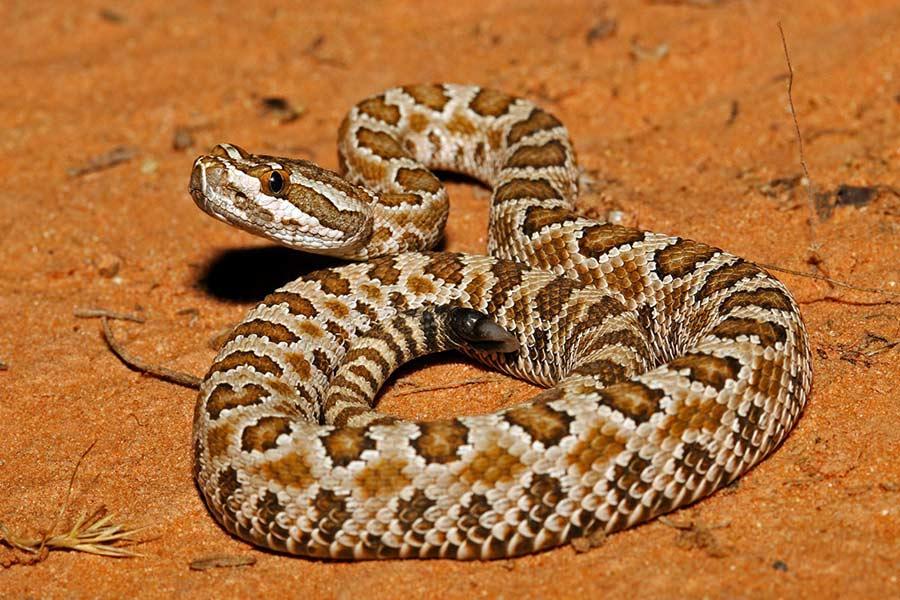
In Utah, there are five species of rattlesnakes, and if you’re hiking in Salt Lake’s foothills then you’re most likely to run into the Great Basin rattlesnake.
⚠️ Safety Tips
- 🌅 We ride at dawn. Rattlesnakes are most active at dawn and dusk during the summer months.
- 📏 Keep your distance. Stay as far away as possible. Try to go around if they’re directly on the trail.
- 🪨 Don’t throw rocks. Do not attempt to throw rocks to scare the rattlesnake away. They’ll likely head toward you in that case. It’s also illegal to kill rattlesnakes since they’re a protected animal.
- 🗣️ If you see something, say something. Let fellow hikers on the trail know where you saw the snake so they can stay alert.
⛑️ If You Get Bitten
- Contrary to popular belief, don’t suck the venom out. It can increase the risk of infection.
- Do not apply heat, cold compress, or tourniquet to the bite. It can lead to tissue damage.
- Remove any tight clothing or jewelry around the bite.
- Keep the affected area below the level of the heart.
- Seek immediate medical attention.
🔎 Spot the Difference
Gopher snakes are a common, non-venomous species that look very similar to rattlesnakes. Here’s how to tell them apart:
- A gopher snake will hiss and shake its tail when startled, but their tail is pointed, slender, and doesn’t have a rattle.
- Rattlesnakes have wide triangular heads and vertical pupils and gopher snakes have longer snouts and round pupils.
- When in doubt, leave the snake alone as if it were venomous.
🐕 Rattlesnake-Proof Your Dogs
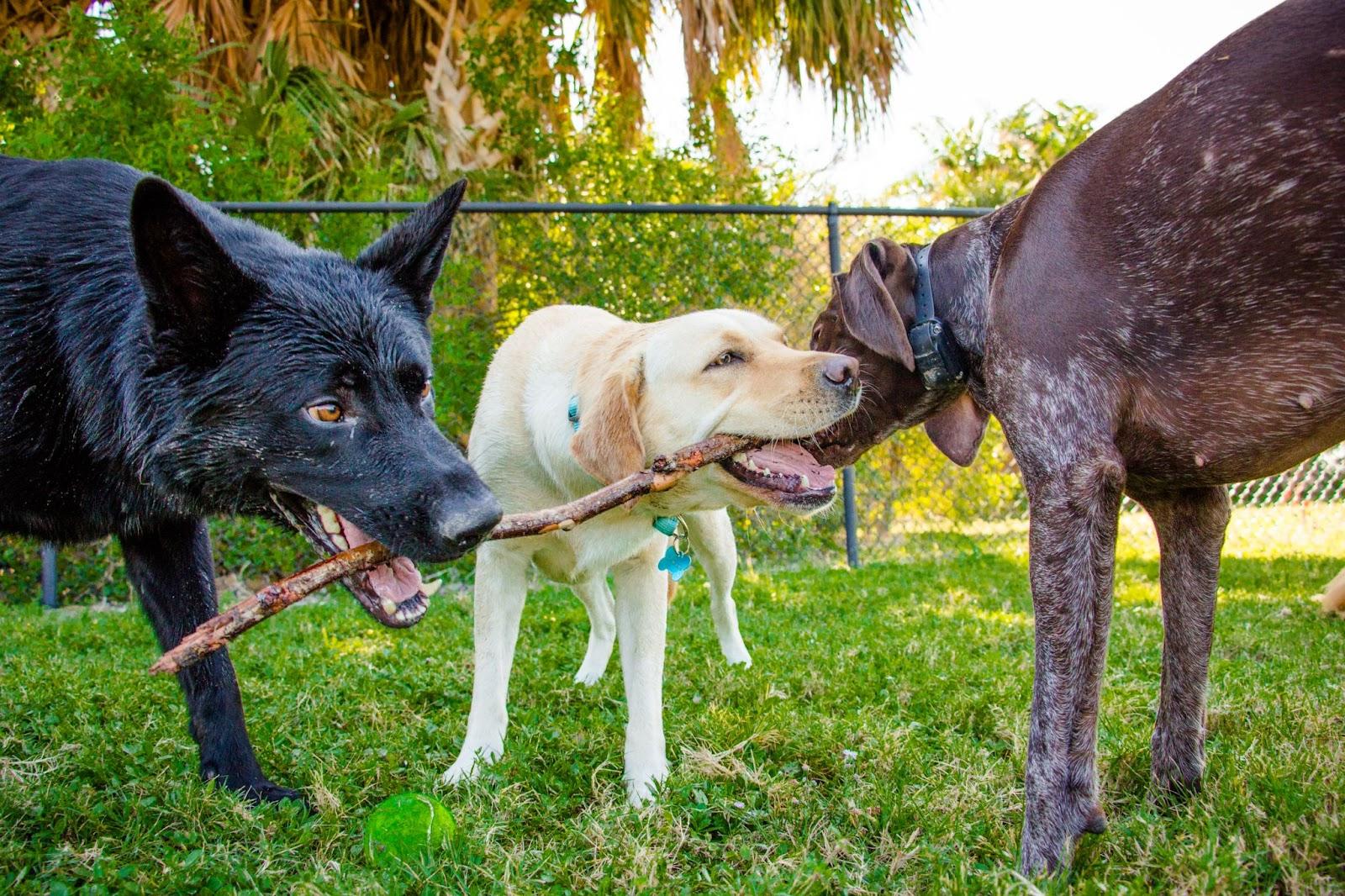
Training courses teach your pup to steer clear of rattlesnakes. That way, you’ll both be safe.
Visit the Utah Division of Wildlife Resources for more safety tips]