It’s officially fall! Bring on all that sweet autumn produce. If you’re like me, you think about composting all the time. But you never get around to it because you don’t know how to do it. Well, that ends now! Here is your ultimate guide to composting.
What Is Composting?
Composting is the process of recycling organic materials into a soil-enriching product. It’s essentially nature’s way of recycling.
To Compost, or Not to Compost
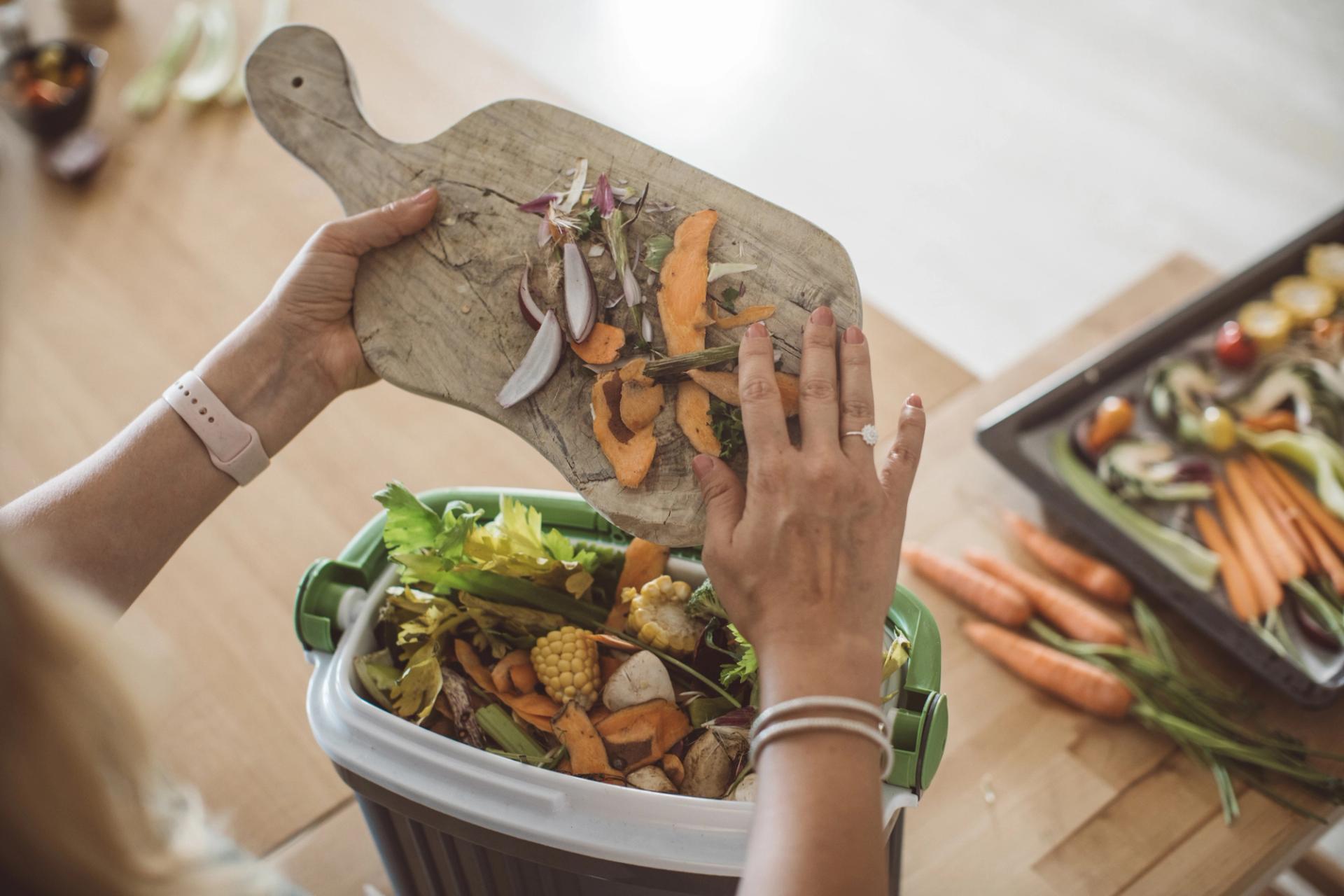
Raw fruits and vegetables, including peelings, can be composted. Also, coffee grounds, eggshells, and uncooked grains and rice.
Among the food and items you cannot compost are meat and bones, food products cooked with or in oils, fat, grease, dairy products, pet waste, diapers, and plastics. For more examples, check the Salt Lake City Division of Sustainability and the Environment.
How to Compost at Home
Use an enclosed bin to retain heat and moisture. For composting kitchen waste, bury the waste below a layer of greens, like grass clippings, for nitrogen. Also throw in some brown materials, like dry leaves or clean newsprint, for carbon. Keep your compost damp.
Allow the compost to cure, or finish, for at least four weeks before using it to feed your home garden. Remove items that didn’t break down, such as fruit pits and eggshells, which can also be added back into an active composting pile. You can use your compost as soil for indoor plants, flower and vegetable beds, and more.
Ready to dive in? Here’s a picture guide to composting at home in Salt Lake City.
Where To Drop Off Your Compost
The city’s compost program will take care of your compost for an additional fee that is added to your monthly garbage fee. You can also sign up for compost collection services through Momentum Recycling for a monthly fee.
Residential food waste can be dropped off at Wasatch Resource Recovery, or even at the local goods shop City of Industry.